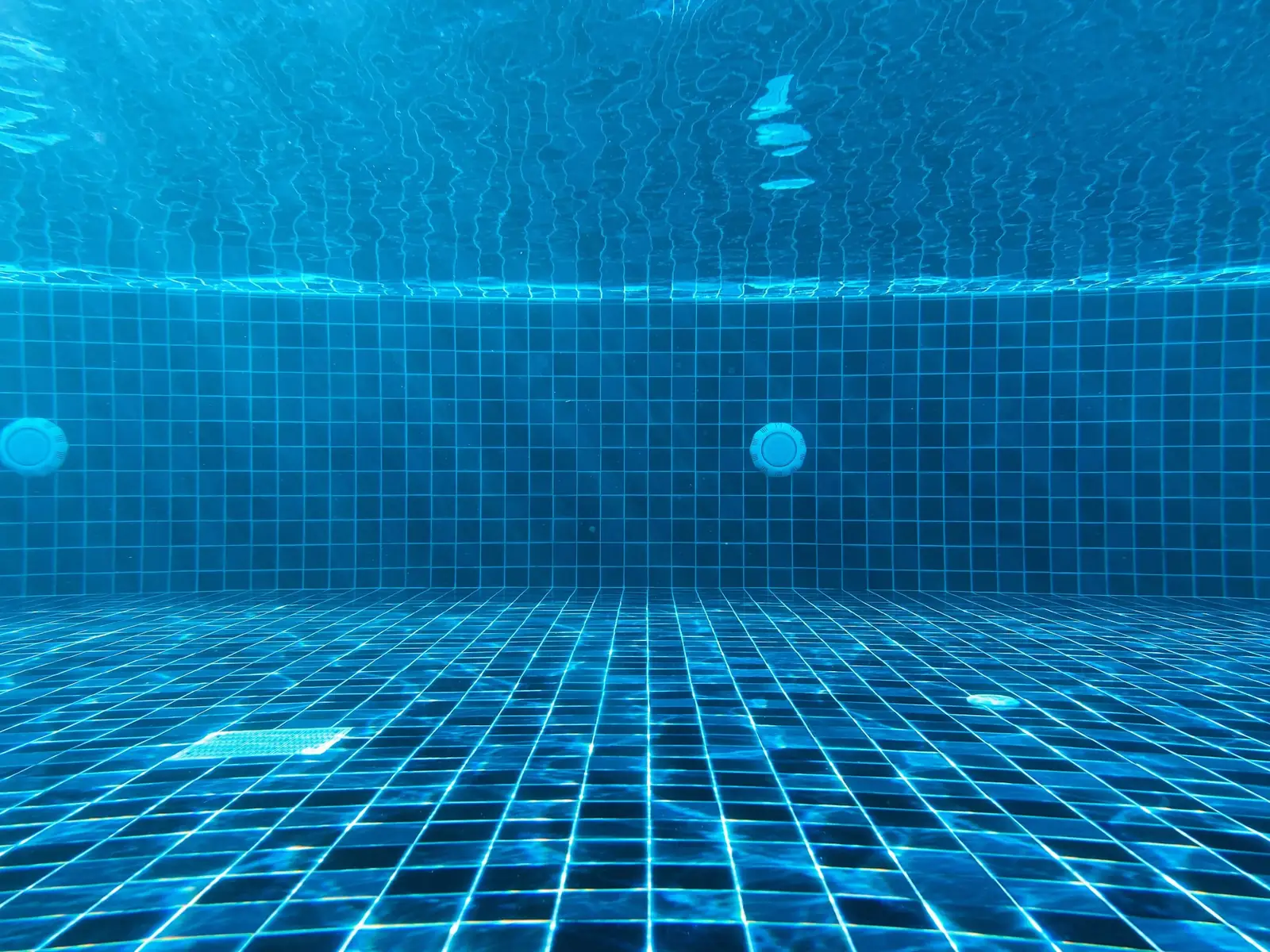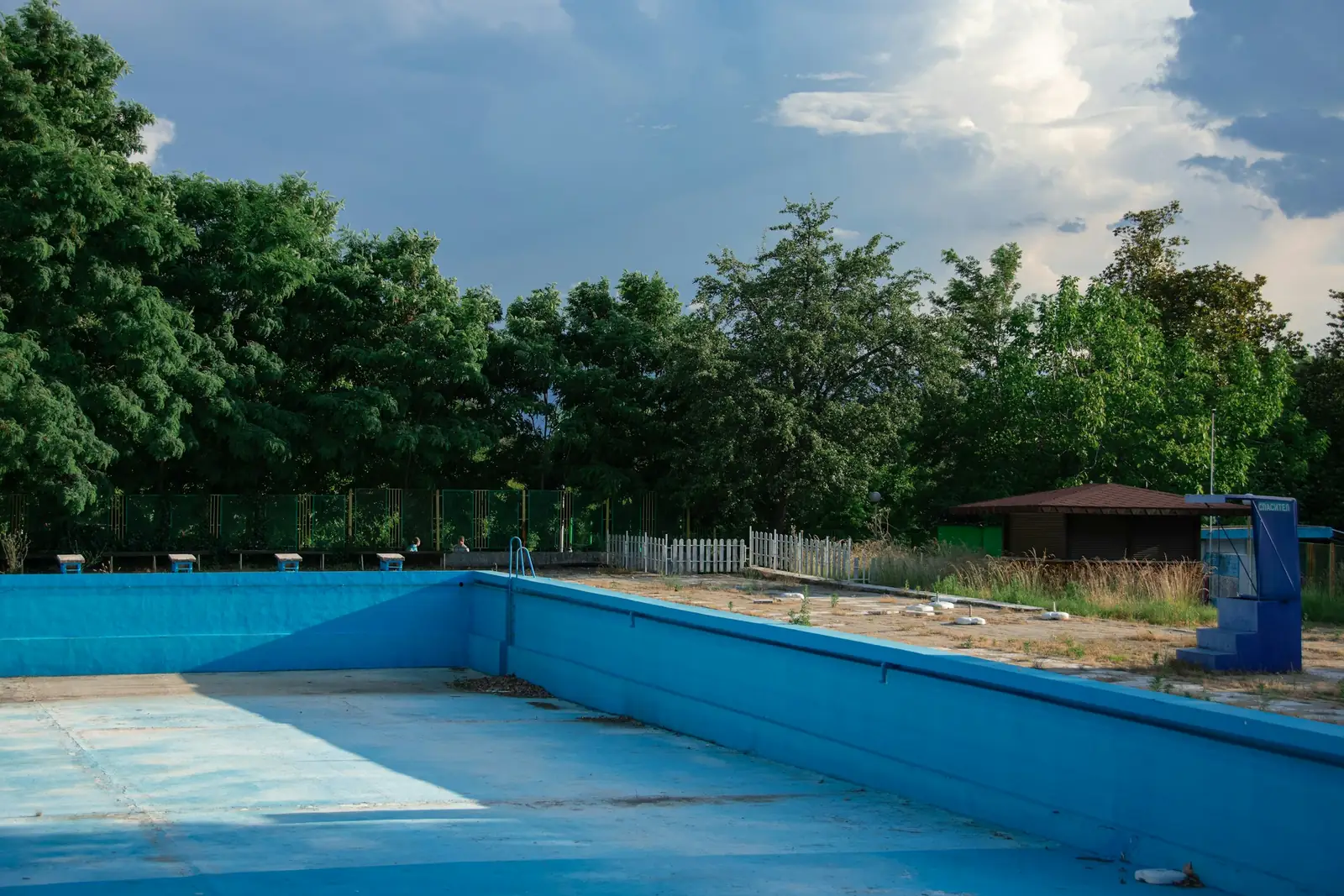
Pools age quietly. Nobody wakes up to a sudden case of rough plaster. It is more like a slow realization that the kids come out of the water with scraped toes, and the stain by the steps has been there since a birthday party nobody remembers. Here is how to read the signs.
Sign 1: the plaster feels rough or looks blotchy
Plaster wears with chemistry and time. When it turns rough, porous or blotchy, algae grabs on more easily and the pool gets harder to keep clean. That is the classic case for a replaster or a pebble finish.
Sign 2: stains that come back
If a stain returns after cleaning or an acid wash, the surface is likely past its best. Sometimes the cause is metals in the water, sometimes it is the plaster itself. An inspection tells you which, before you spend money on the wrong fix.
Sign 3: loose tile or cracked coping
Waterline tile that pops off or coping stones that rock underfoot let water get behind the edge of the pool. That is worth dealing with soon, and it often makes sense to retile and replaster at the same time, while the pool is drained.
Sign 4: the deck is settling
A deck that drops at a corner can mean a leaking pipe washing out the soil underneath. Houston's clay soil makes this worse, because it swells and shrinks with the weather. Fixing the surface without fixing the cause just schedules the same repair again.
“We recently noticed the travertine deck was settling (due to a broken pipe after 9 years of constant use) and David came right out to inspect and got a crew working immediately.”
Replaster or full renovation?
| What you see | Usually means |
|---|---|
| Rough or stained surface, tile and deck fine | Replaster or pebble finish |
| Surface worn and tile loose or dated | Replaster plus new waterline tile and coping |
| Deck settling or cracking | Find the cause (often plumbing or drainage), then repair or replace the deck |
| Pool works but no longer fits how you live | Renovation: add a sun shelf or spa, change depths, new equipment |
Older pools are often worth keeping. The gunite shell is the expensive part, and a well-built one can take a new finish, new tile and new equipment and feel like a new pool. One Yelp reviewer brought us back to refresh a 40-year-old pool.
Frequently asked questions
How long does pool plaster last?
It varies with the finish, water chemistry and use. One PoolCraft client replastered after 15 years on the original plaster.
Can you renovate a pool built by another company?
Yes. PoolCraft renovates gunite pools regardless of who built them.